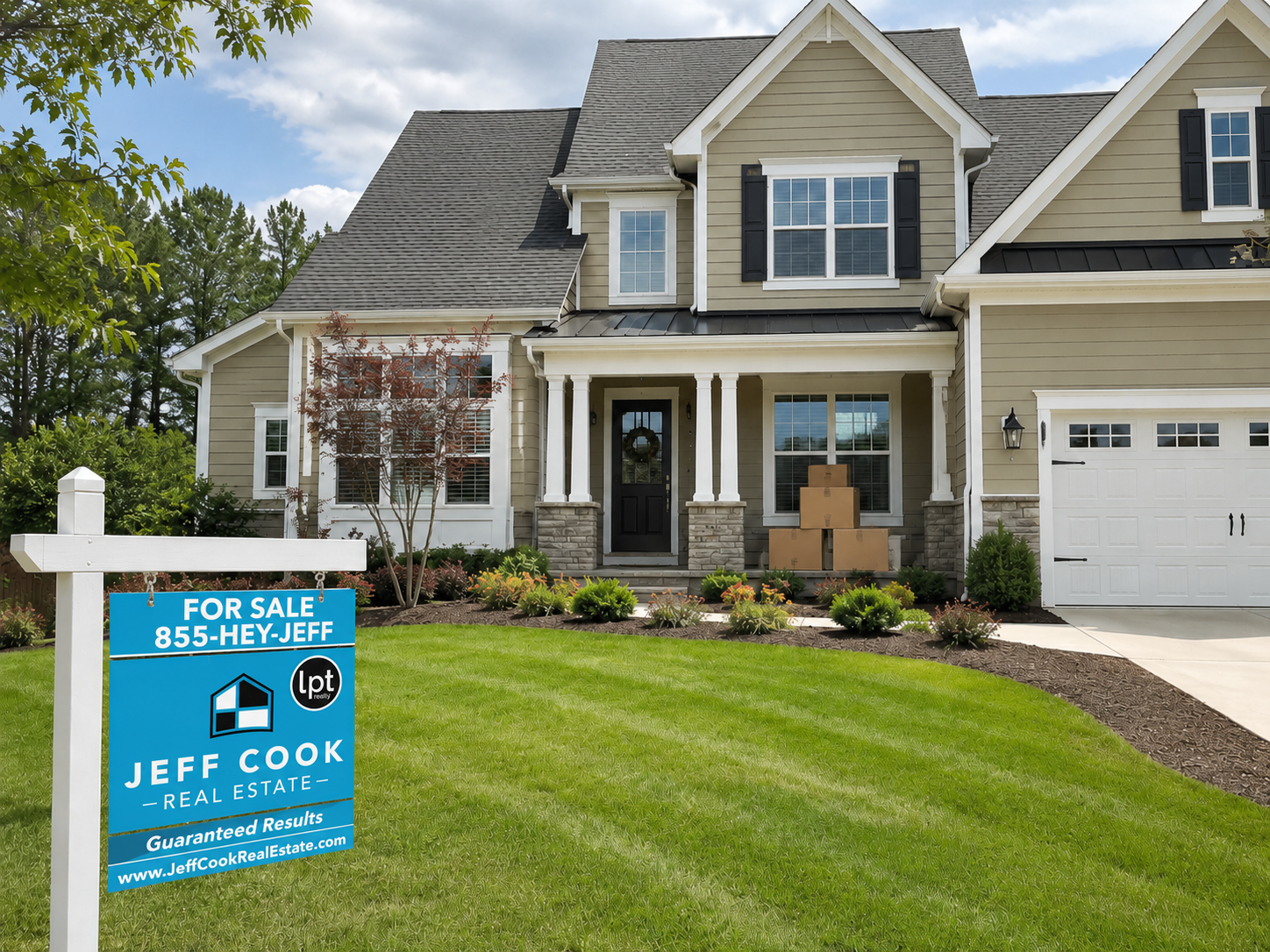
Outgrowing your current home is one thing. Figuring out how to sell it, buy the next one, coordinate two closings, and avoid living out of boxes for three weeks is where things start to feel complicated.
That is usually when Midlands homeowners ask me the big question:
Do we need to sell our current home before we can buy another one?
Maybe—but not necessarily.
You will need a clear plan for how the two transactions connect, but there is more than one way to structure a move-up purchase. The right approach depends on your current equity, income, available cash, loan qualification, timeline, and tolerance for carrying additional financial risk.
The important part is building that plan before you begin seriously touring homes—not after you have already fallen in love with one.
Why Selling and Buying at the Same Time Feels So Complicated
Most move-up buyers are dealing with two separate challenges.
The first is financial: Can you qualify for the next mortgage while you still own your current home?
The second is logistical: Can the sale, purchase, closings, and move be timed closely enough that you are not temporarily without a home—or paying for two households longer than expected?
Neither problem is automatically a dealbreaker. They just need to be addressed together instead of treating the sale and purchase like two unrelated transactions.

Start With Three Numbers
Before deciding whether to sell first or buy first, you need a realistic picture of:
- What your current home may sell for
- What you are likely to net after your mortgage payoff and selling expenses
- What you can qualify to purchase with—and without—your current housing payment included
A real estate agent can help you estimate the potential market value and net proceeds from your current home. A lender can then run different financing scenarios based on your income, debt, assets, and expected sale proceeds.
Depending on the loan program and status of your current sale, your lender may need to count both your existing housing payment and the proposed new payment when determining whether you qualify. Certain documentation, such as an executed contract on your current home with financing contingencies cleared, may affect how the existing payment is treated.
That is why “we have plenty of equity” does not automatically mean “we can buy before we sell.” Equity is valuable, but it is not necessarily available cash until the home sells or you access it through another approved financing option.
Option One: Sell Your Current Home First
Selling first is often the more financially conservative option, especially when most of your down payment will come from the equity in your current home.
Once your home closes, you know exactly how much money you have available for the next purchase. You may also be able to submit an offer without a home-sale contingency, which can make your offer more attractive to a seller.
The tradeoff is timing.
If you sell before finding or closing on the next home, you may need temporary housing, storage, or a short seller-occupancy period after closing.
Sometimes a buyer will agree to let the seller remain in the home briefly after closing. In South Carolina, this needs to be properly documented and coordinated with the buyer, lender, insurance providers, and closing attorney. The standard South Carolina seller-occupancy form is intended for periods of seven days or less; longer arrangements require additional legal consideration.
A post-closing occupancy period is negotiable—not guaranteed—so it should be treated as one possible part of the plan rather than the entire plan.
Option Two: Buy Your Next Home First

Buying first can give you more breathing room. You can move into the next home before listing or closing on your current one, which may make the physical move and home preparation much easier.
However, this option generally works best when you:
- Can qualify while carrying both housing payments
- Have enough cash or accessible funds for the down payment and closing costs
- Have reserves available for unexpected delays
- Are comfortable with the possibility that your current home may take longer to sell than expected
Buying first removes some logistical pressure, but it adds financial exposure. Your lender should run this scenario before you make an offer so you understand exactly what the monthly obligations could look like.
Option Three: Make an Offer Contingent on Your Home Selling
A home-sale contingency makes your purchase dependent on your current home selling within an agreed timeframe.
Sellers may be more open to this structure when your home is already listed, priced appropriately, show-ready, or under contract. A seller may be less interested when the home you want is newly listed, competitively priced, or receiving multiple offers.
The seller may also be allowed to continue marketing the property and accept a backup offer, depending on the negotiated contract terms. If another offer is received, you may have a limited period to show that your home is under contract or remove the sale contingency.
A contingent offer is not automatically a weak offer—but preparation matters. “We plan to list eventually” and “our home is already under contract” are two very different positions at the negotiating table.
Market conditions also vary throughout the Midlands by location, price point, property condition, and buyer demand. A strategy that works for one home may not work for another.
For more local context, see Columbia, SC Housing Market Update: Summer 2026 Prices, Inventory and Buyer Leverage.
Could a HELOC or Bridge Loan Help?
Some homeowners use a home equity line of credit, commonly called a HELOC, or short-term bridge financing to access funds before their current home sells.
A HELOC allows you to borrow against the available equity in your current home. It can sometimes be used toward a down payment, closing expenses, repairs, or other costs associated with the move.
However, a HELOC is still debt secured by your home. Rates are often variable, payments can change, and the lender may restrict future access to the credit line under certain circumstances.
A bridge loan may also provide funds for purchasing the next residence before the current home sells, but that additional debt may need to be included in your debt-to-income calculation. Availability, qualification requirements, rates, and fees vary by lender.
These options are not shortcuts around qualification. They are financing tools that should be compared carefully with your lender before you list your home or write an offer.
Prepare Your Current Home Even If You Plan to Buy First
One of the easiest ways to create unnecessary stress is to close on the next home and then discover your current one needs several weeks of repairs, cleaning, decluttering, and preparation before it can be listed.
Even when buying first is financially possible, your current home should be close to market-ready before you begin making serious offers.
That does not mean renovating every room. It means identifying the repairs and presentation issues that could delay the listing, reduce buyer confidence, or affect your expected proceeds.
For a practical starting point, read How to Get Your Midlands Home Ready to List Before School Starts.
A Practical Order of Operations for Move-Up Buyers

A well-planned move-up purchase typically begins in this order:
- Meet with a lender and review your buy-first and sell-first qualification scenarios.
- Request a realistic market analysis and estimated net sheet for your current home.
- Decide whether the sale, purchase, or both will need contingencies.
- Prepare your current home so it can be listed quickly when needed.
- Begin touring homes within the budget and structure already approved by your lender.
- Coordinate contract dates, attorneys, movers, possession, and backup plans before closing.
The exact order may shift depending on your situation, but the financing and listing strategy should be decided before the house hunt becomes emotional.
Frequently Asked Questions About Moving Up in the Midlands
Should I sell my current home before buying another one?
Selling first may be the safer choice when you need the proceeds from your current home for the down payment or cannot qualify while carrying both payments. Buying first may be possible when your lender confirms that your income, assets, and reserves support it.
Do sellers in the Midlands accept home-sale contingencies?
Some do. Acceptance depends on the seller’s priorities, the strength of your overall offer, the status of your current home, and demand for the property you are purchasing.
Can I buy another home before my current one sells?
Possibly. Your lender will need to determine whether you qualify while keeping the current mortgage or whether specific documentation, sale proceeds, or additional financing will be required.
What happens if my home sells before I can move?
Possible solutions may include a short post-closing occupancy agreement, temporary housing, storage, or negotiating different closing dates. None is guaranteed, so the backup plan should be discussed before accepting an offer.
How much equity do I need to move up?
There is no universal percentage. The more important questions are how much you will net after selling, how much cash you need for the next purchase, whether you can qualify before the sale closes, and how much money you want left in reserves afterward.
Build the Timeline Before You Make the Move
Selling one home and buying another does not have to be complete chaos. But the listing strategy, financing, purchase terms, and closing timeline need to be built together.

Call or text me at 803.784.4249. I can help you estimate what your current home may sell for, connect you with a lender to review your options, and build a realistic timeline before you commit to either transaction.
Savannah Hill, REALTOR®
Jeff Cook Real Estate | LPT Realty
Serving buyers and sellers throughout Columbia, Lexington, Irmo, Ballentine, Chapin, Lake Murray, and surrounding Midlands communities.
Follow along on Instagram and Facebook at @SmartandSavvyMoves.
This article provides general real estate information and is not legal, tax, or lending advice. Loan qualification, contract terms, and post-closing occupancy arrangements vary by transaction and should be reviewed with the appropriate lender and closing attorney.
Savannah Hill, REALTOR® | SC License #134931 (Office #19968) — Jeff Cook Real Estate | LPT Realty